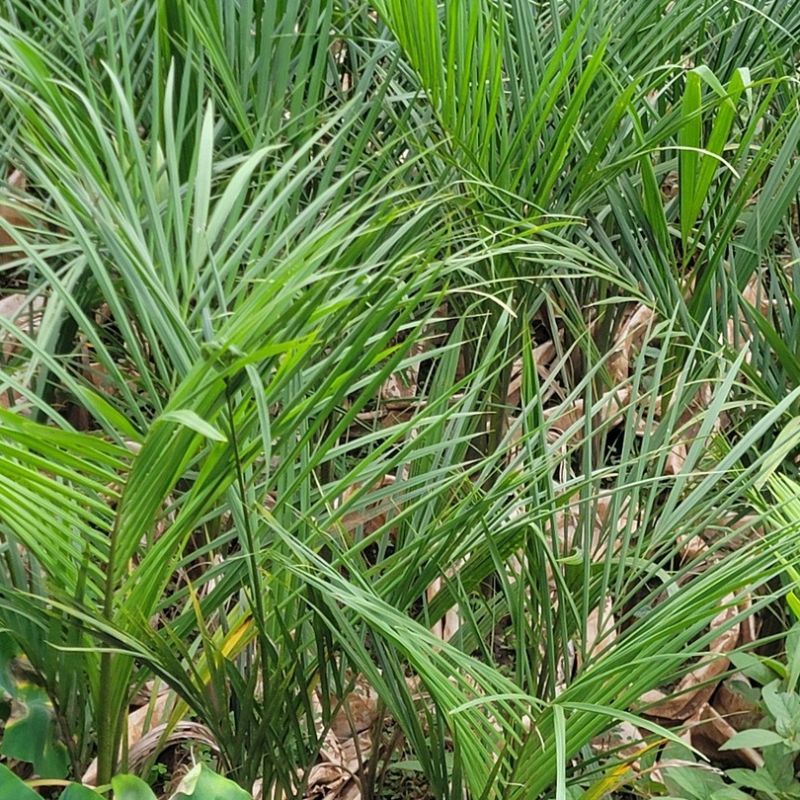
Royal Palm – Majestic Tropical Beauty | Elegant Landscaping Palm in Uganda
Bring a grand tropical feel to your compound with the Royal Palm, an ornamental palm admired for its tall, straight trunk and beautiful crown of arching green fronds. Its impressive appearance makes it a popular choice for creating an elegant entrance, adding height to a landscape or giving a spacious garden a distinctive tropical look.
Whether you want to frame your driveway, line a walkway or create a striking feature in your compound, Royal Palms can add height and visual interest to outdoor spaces. They are particularly suited to larger landscapes where their mature size can be accommodated.
Key Features
- Plant type: Ornamental palm tree
- Common name: Royal Palm
- Scientific name: Roystonea regia (confirm the species with your supplier)
- Appearance: Tall, straight trunk with a crown of long, arching green fronds
- Suitable for: Spacious gardens, landscaped compounds, driveways and suitable commercial landscapes
- Landscaping uses: Entrance features, avenues, open lawns and tropical garden designs
- Care: Generally prefers full sunlight, well-draining soil and regular watering while establishing. Allow adequate space for mature growth.
Uses and Benefits
- Compound landscaping: Creates a bold focal point in spacious outdoor areas.
- Driveway decoration: Can be planted in planned rows to create an impressive avenue.
- Entrance styling: Adds height and a tropical appearance to suitable entrances.
- Commercial landscapes: Suitable for spacious hotel grounds, office compounds and other large outdoor areas.
- Tropical garden design: Complements lawns, flowering plants and other landscape palms.
Looking for Royal Palm trees in Kampala or elsewhere in Uganda? Contact Garden Flowers Uganda to enquire about available tree sizes, prices and delivery options.
Before planting, consider the available space, soil conditions and the palm's mature height. Royal Palms grow large, so they are best placed where their roots, crown and falling fronds will not interfere with buildings, overhead lines or busy walkways.
Share